

Tuzlu Su Arazisi Uygulaması

- Potansiyel Çevresel Etkiler
1.1 Sulama
1.2 Hızlı Sızma
- Fizibilite Değerlendirmesi için Kriterler ve Yöntemler
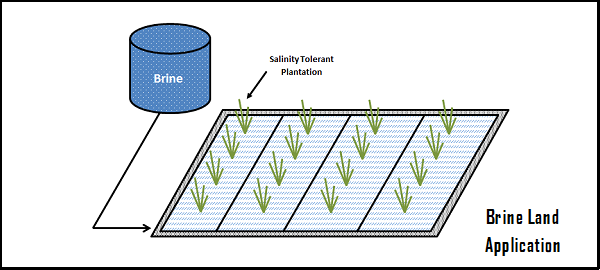
Tuzlu suyun araziye uygulama yöntemiyle bertaraf edilmesi genellikle küçük ölçekli tuzdan arındırma tesislerinde uygulanır ve uygulaması iklim, mevsimsel uygulama ve mevcut arazi ve yeraltı suyu koşullarıyla sınırlıdır. Yöntemin iki olası yolu vardır,
- Tuz toleranslı bitkilerde tuzlu su püskürtme sulaması
- Toprak hızlı infiltrasyon havzaları (RIB'ler) aracılığıyla bitkinin infiltrasyonu
- Potansiyel Çevresel Etkiler
1.1 Sulama
Tuzlu suyla sulama, genellikle daha düşük tuzluluğa sahip sığ yeraltı suyu akiferlerini olumsuz etkileyebilir. İstisnalar, sığ tuzlu kıyı akiferleri veya konsantre ile doğrudan veya dolaylı etkileşimden izole edilmiş derin kapalı akiferlerdir.
1.2 Hızlı Sızma
Tuzlu suyun sızma yöntemiyle bertaraf edilmesi, konsantrede arsenik, nitrat veya içme suyunda düzenlemeye tabi diğer kirleticiler bulunması durumunda genellikle izin alınmasında sorunlara yol açar. İzin verilmesi durumunda, istenen standartları karşılamak için seyreltilmesi bir seçenektir. RIB sistemlerinin yeraltı suyu akiferleri üzerindeki etkisini değerlendirmek için izleme kuyuları kullanılır.
- Uygunluk Değerlendirmesi için Kriterler ve Yöntemler
Konsantre atık bertarafı için araziye uygulama yönteminin başlıca uygunluk faktörleri şunlardır:
- iklim
- arazinin bulunabilirliği ve maliyeti
- sızma oranı
- sulama ihtiyaçları
- altta yatan yeraltı suyu akiferlerinin su kalitesi
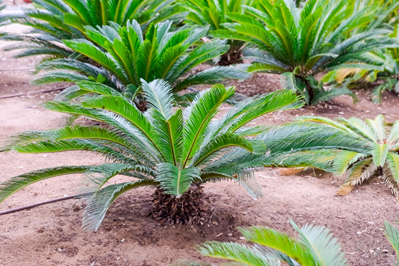
- sulanan bitki örtüsünün tuzluluk toleransı
- araziye uygulama sisteminin ilgili düzenleyici gerekliliklere ve yeraltı suyu kalite standartlarına uyma yeteneği
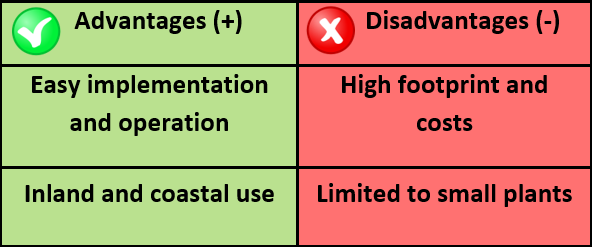
Bu yöntemin başarılı bir şekilde kullanılabilmesi için, tuzdan arındırma tesisinin yakınında, nispeten düşük yeraltı suyu seviyesine ve sıcak, kuru bir iklime sahip, düşük maliyetli bir alanın bulunması gerekmektedir. Soğuk iklim koşullarında ve belirli bitki örtüsü için, tuzlu suyun uygulanamadığı dönemde (genellikle 2 ila 6 ay) depolama tankları kullanmamız veya yedek bir bertaraf seçeneğine sahip olmamız gerekebilir.
Tuzlu suyun tuzluluğu arttıkça, tuzlu suyun bertarafı için arazi uygulaması kullanmak daha zor hale gelmektedir, bu nedenle birçok durumda tuzlu suyun kalite kısıtlamalarını ve/veya bitki örtüsünün tuzluluk tolerans sınırlarını karşılamak için seyreltilmesi gerekmektedir. Tipik olarak, atık su arıtma tesisinden çıkan su veya sığ akiferlerden elde edilen düşük tuzluluklu su kullanıyoruz.
Toprak tipi de büyük önem taşımaktadır; tınlı ve kumlu topraklar genellikle uygundur. Nötr ve alkali topraklar, eser metal sızıntısını en aza indirdikleri için tercih edilir. Yeraltı suyu seviyesi 2 metreden düşük olan alanlar tercih edilir.
Eğer arazideki yeraltı suyu seviyesi yüzeyden 3 metreden daha az ise, drenaj sistemine ihtiyaç duyulmaktadır. Genellikle %20'ye kadar olan eğimler arazi uygulaması için uygundur..
 Tuzlu Su Arazisi Uygulaması