

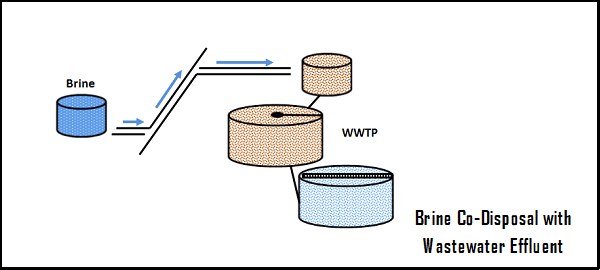
Atıksu Deşarjı ile Tuzlu Suyun Birlikte Bertarafı

- Potansiyel Çevresel Etkiler
- Atık Su Arıtma Tesisi Operasyonları Üzerindeki Etki
- Su Yeniden Kullanımı Üzerindeki Etki
- Tuzlu Suyun Kanalizasyona Deşarj Maliyetleri
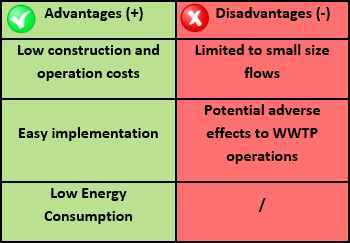
Tuzlu suyun yüksek potansiyel etkisi nedeniyle, en yakın atık su sistemine tuzlu su deşarjı yalnızca büyük kapasiteli atık su arıtma tesislerine küçük hacimler için uygundur. Atıksu arıtma tesisi operasyonlarına TDS (Toplam Çözünmüş Katı Madde) deşarjı. Çoğu ülkede, bir atıksu arıtma tesisine tuzlu su deşarjı, sorumlu otoritenin endüstriyel deşarjlar için geçerli gerekliliklerine tabidir.
- Potansiyel Çevresel Etkiler
Tuzdan arındırma tesisinin kanalizasyona deşarjı, konsantre ve atıksu arıtma tesisi atık suyunun birlikte deşarjına benzer çevresel etkilere potansiyel olarak sahip olabilir.
- Atıksu Arıtma Tesisi Operasyonları Üzerindeki Etki
Bu tuzlu su bertaraf yöntemi, atıksu toplama sisteminin hidrolik kapasitesi ve atıksu arıtma tesisi proseslerinin kapasitesi ile sınırlıdır.
Bir atıksu arıtma tesisinin biyolojik arıtma prosesi genellikle yüksek tuzluluk (TDS > 3000 mg/L) ile sınırlıdır. Bu nedenle, tuzdan arındırma tesisi tuzlu suyunu kanalizasyona deşarj etmeden önce atıksu arıtma tesisinin tuzluluk toleransı değerlendirilmelidir.
Okyanus kıyısında bulunan birçok tesiste giriş suyu TDS'sinin ≥ 1000 mg/L olduğunu ve SWRO tuzlu suyunun TDS'sinin ≥ 65.000 mg/L olduğunu hesaba katarsak, giriş suyu TDS konsantrasyonunu korumak için atık su arıtma tesisinin kapasitesinin günlük tuzlu su deşarj hacminin 30 ila 35 katı daha yüksek olması gerekir.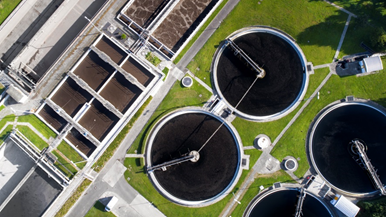
- Su Yeniden Kullanımına Etkisi
Eğer atıksu arıtma tesisinin atık suyu yeniden kullanılıyorsa, tuzlu su alımı şunlarla sınırlıdır:
- tuzluluğu
- sodyum, klorür ve bor konsantrasyonları
Bu bileşenler, özellikle sulama için kullanılıyorsa, tipik bir atıksu arıtma tesisinin arıtma süreçlerinin bu kirleticilerin önemli bir miktarını gidermemesi nedeniyle, atıksu arıtma tesisinin atık suyunun yeniden kullanımını ciddi şekilde etkileyebilir. 1.000 mg/L'den fazla TDS toleransına sahip bitkiler ve mahsuller olsa da, çoğu bitki 250 mg/L'den fazla klorür seviyelerine tahammül edemez. Tipik bir atıksu arıtma tesisi atık suyunun klorür seviyeleri ≤ 150 mg/L iken, tuzlu su > 150 mg/L olabilir. 40.000 mg/L.
- Tuzlu Suyun Kanalizasyona Deşarj Maliyetleri
Tuzlu suyun kanalizasyona deşarjı, özellikle de arıtma tesisi sahasının yakınında zaten bir atık su toplama sistemi mevcutsa ve atık su arıtma tesisi tuzlu su alımını yönetebiliyorsa, genellikle en düşük maliyetli bertaraf yöntemidir.
Koşullar ve dolayısıyla maliyetler sahaya özgüdür ve ana maliyetler deşarj iletimi (pompa istasyonu ve boru hattı) ve kanalizasyona bağlanma ve arıtma/bertaraf ücretleridir (iletim maliyetlerinden çok düşükten birkaç kat daha büyük olabilir).
 Atıksu Deşarjı ile Tuzlu Suyun Birlikte Bertarafı